English
Gastric Balloon Procedure
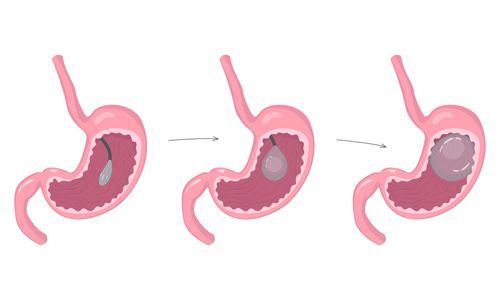
A gastric balloon is not a procedure that resolves morbid obesity, nor is it an alternative to bariatric surgery. The purpose of the balloon—which is placed into the stomach and inflated with 500–600 cc of fluid—is to help the individual consume less food.
Who Is a Candidate for a Gastric Balloon (Intragastric Balloon)?
Patients with a Body Mass Index (BMI) of 30 or higher, Patients who have not achieved success despite numerous diet and exercise programs, Obese patients for whom surgical treatment poses a high risk, Individuals between the ages of 18 and 60.
Who Is Not a Candidate for a Gastric Balloon (Intragastric Balloon)?
Individuals with alcohol or substance dependency, Patients who are pregnant or planning a pregnancy, Individuals with severe kidney, heart, liver, or lung disease, Those who require the continuous use of blood-thinning medication (anticoagulants), Patients with a hiatal hernia, acid reflux, or associated esophageal erosion/burns, Individuals with gastric or duodenal ulcers.
How Is a Gastric Balloon (Intragastric Balloon) Procedure Performed?
During the gastric balloon procedure, the patient is placed under sedation. A diagnostic endoscopy is first performed to determine whether the stomach is suitable for the placement of the balloon. The balloon is then inserted into the stomach through the mouth. Once the balloon is correctly positioned, it is inflated with approximately 500 cc of saline solution—tinted with methylene blue—using specialized endoscopic instruments. Following the procedure, the patient is awakened and monitored in the clinic for a few hours.
How Should One Eat After a Gastric Balloon Procedure (Intragastric Balloon)?
For the first two weeks following the placement of a gastric balloon, you should consume soft-textured foods. In general, you should avoid fatty and sugary foods, and instead eat frequent, small meals.
How Does Weight Loss Occur After a Gastric Balloon Procedure (Intragastric Balloon)?
A gastric balloon reduces the stomach's capacity to store food, preventing the individual from overeating. The patient experiences a constant sense of fullness and satiety. Their appetite decreases, leading them to eat less. It is possible to lose approximately 15–20 kg within the first 6 months. It is important to note that patients must maintain their new eating habits even after the balloon is removed.
What Kind of Problems Might Arise After a Gastric Balloon Procedure (Intragastric Balloon)?
Although very rare, complications such as bleeding during the placement of the balloon, perforation of the esophagus or stomach, or necrosis (tissue death) in the stomach can occur. Initially, patients may experience discomfort in the stomach, nausea, and/or vomiting. Such issues can be managed with medication—administered either orally or intravenously—and the patient typically adapts to the balloon over time. Additionally, during the first few weeks, fatigue or weakness may occur due to a decrease in daily fluid intake. In the event that the balloon ruptures, it could migrate into the intestines and potentially cause a bowel obstruction, which would require surgery. In some cases, patients may be unable to tolerate the balloon due to severe nausea and vomiting; in such instances, the balloon may need to be removed prematurely.
How Is a Gastric Balloon (Intragastric Balloon) Removed?
The balloon is removed under anesthesia, just as it was when it was inserted.